









LLM API USE CASES

Build the right LLM workflow for your application

Choose what you want to build. Each use case shows the recommended model, fallback route, API request, application flow, output contract, and production checks.

01

Choose a starting point

01
coding

LLM API for code generation

Turn written requirements into application code, tests, and reviewable patches with a server-side LLM API.

02
coding

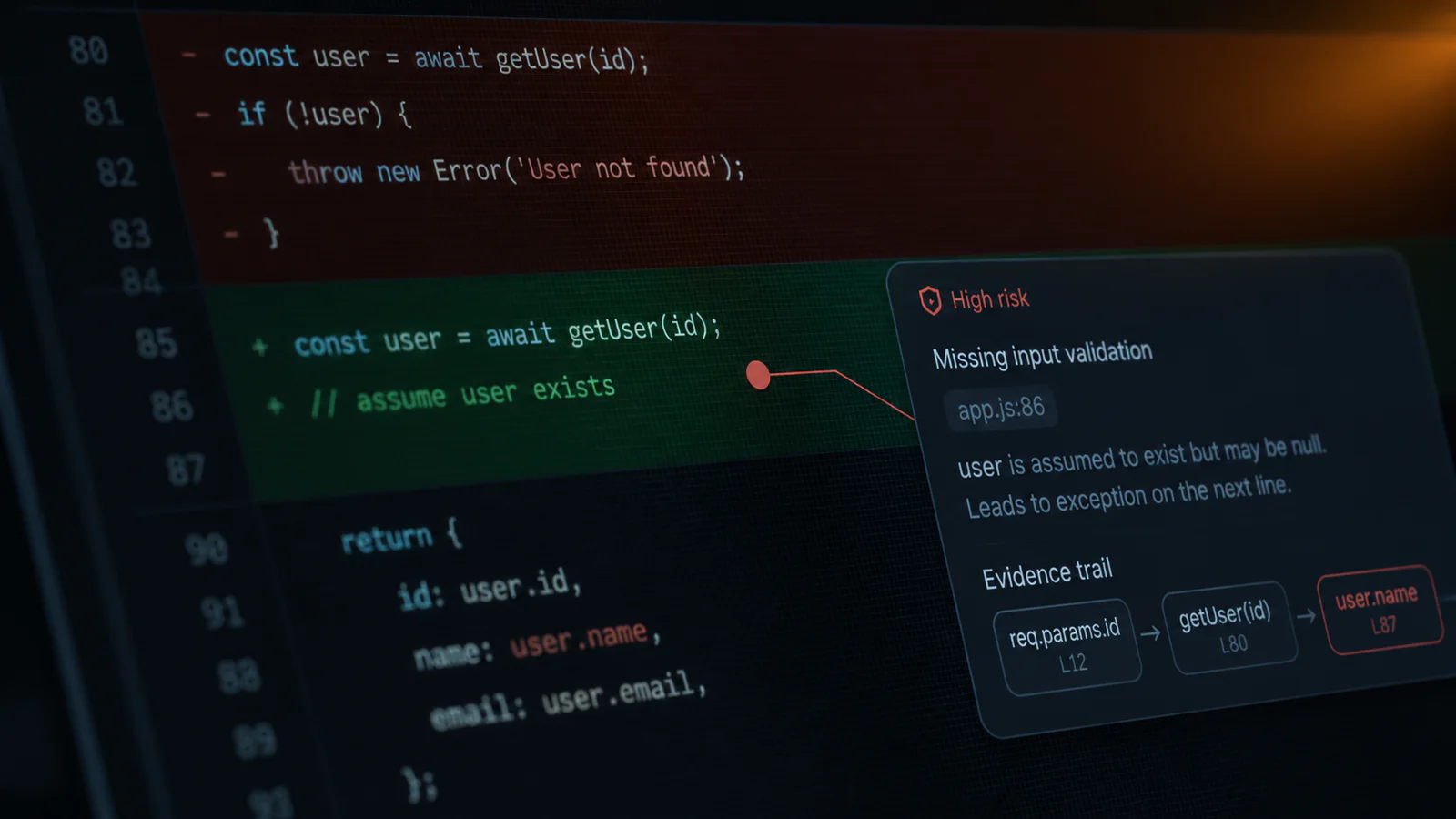
LLM API for code review

Review pull requests for defects and security risks, then return evidence-linked inline comments developers can act on.

03
coding

LLM API for repository refactoring

Plan and execute multi-file refactors while preserving behavior, public APIs, tests, and architecture boundaries.

04
chatbots

LLM API for customer support chatbots

Answer customer questions from approved support content, use account tools safely, and route sensitive cases to a person.

05
chatbots

LLM API for RAG chatbots

Answer questions from private documents with source citations, evidence checks, and a clear response when evidence is missing.

06
chatbots

LLM API for multilingual chatbots

Serve customers in multiple languages while preserving intent, terminology, locale rules, and escalation behavior.

07
agents

LLM API for function calling

Let an LLM select application functions, produce valid arguments, recover from tool errors, and stop for confirmation when required.

08
agents

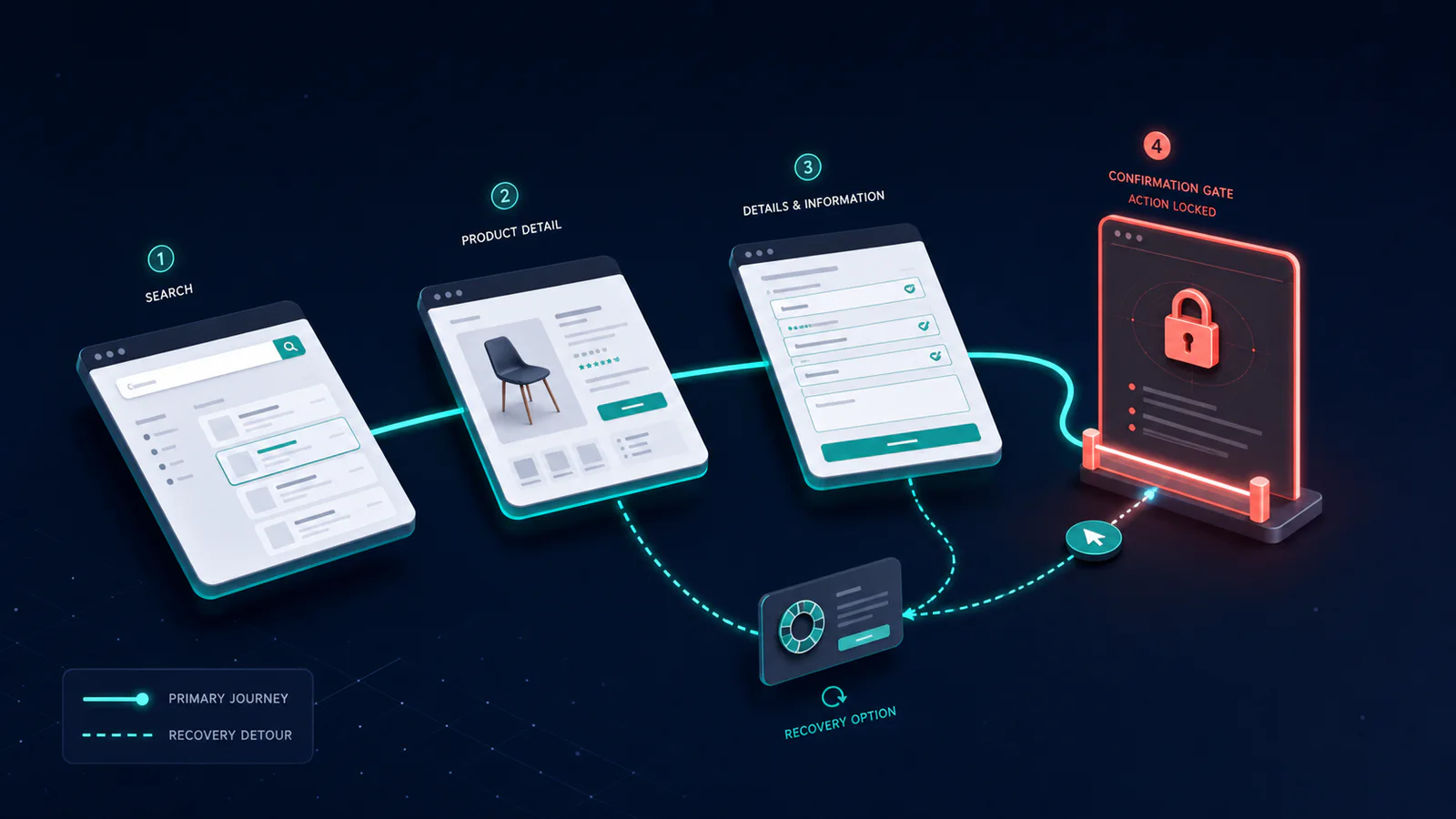
LLM API for browser agents

Build a browser agent that understands the current interface, chooses safe actions, recovers from changes, and verifies the final state.

09
agents

LLM API for workflow automation

Add LLM decisions to multi-step business workflows without losing explicit state, idempotency, approvals, or auditability.

10
reasoning

LLM API for document analysis

Analyze contracts, reports, research, and policies with answers and summaries linked to supporting passages.

11
reasoning

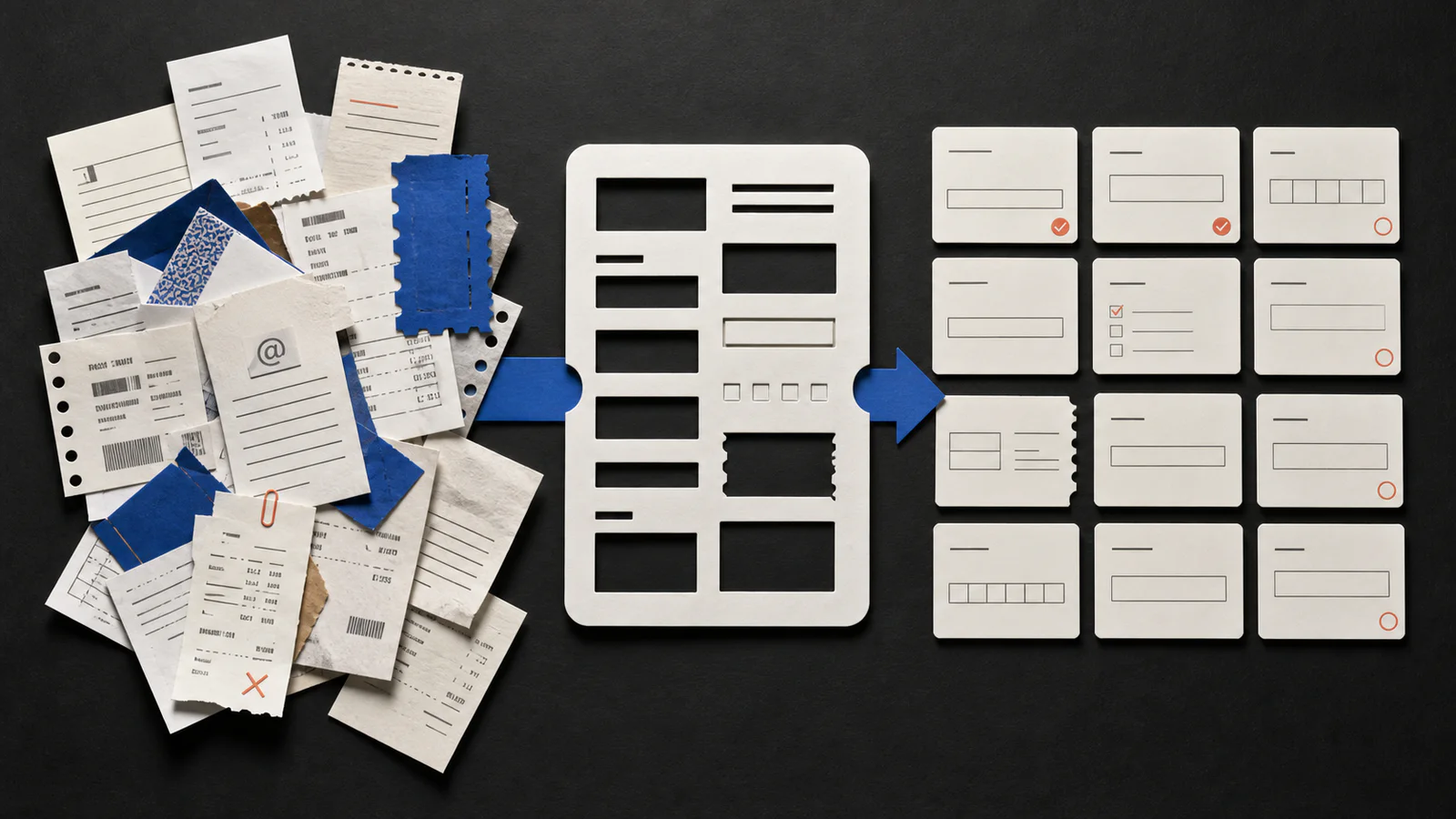
LLM API for structured data extraction

Convert documents, emails, tickets, and other unstructured text into validated JSON that follows your schema.

12
reasoning

LLM API for math reasoning

Solve quantitative problems with calculator or code verification, consistent units, and explanations tied to checked results.

How to use this section

Choose what you want to build

Open the task closest to your application. The examples cover code changes, customer conversations, tool-driven automation, document processing, and verified reasoning.

  • Coding: generate features, review pull requests, or refactor a repository.
  • Chatbots: answer support questions, use private knowledge, or serve multiple languages.
  • Agents: call functions, operate browser tools, or run multi-step workflows.
  • Documents and data: analyze long files, extract validated JSON, or explain verified calculations.

See the complete production setup

Every use case includes a primary model and fallback, a copy-ready request, the surrounding application architecture, expected output, failure handling, and measurable acceptance checks.

  • Exact API endpoint and model IDs.
  • Server-side request example and output contract.
  • Fallback and escalation conditions.
  • Validation, logging, and safety requirements.

Frequently asked questions

What can I build with these LLM API examples?

They cover code generation and review, support and RAG chatbots, function calling, browser and workflow agents, document analysis, structured extraction, and math explanations.

How do I choose a model for my application?

Start with the recommended route, run it on representative inputs from your application, and compare accepted results, latency, retries, and total cost with the fallback.

Can I use the same model for every workflow?

You can, but verify each workflow separately. A model that performs well in chat may behave differently with tools, strict JSON, large repositories, or long documents.

Choose a model for your workflow

Compare the recommended route with its fallback using requests from your own application.

Browse models