
Tag: OpenAI API
-
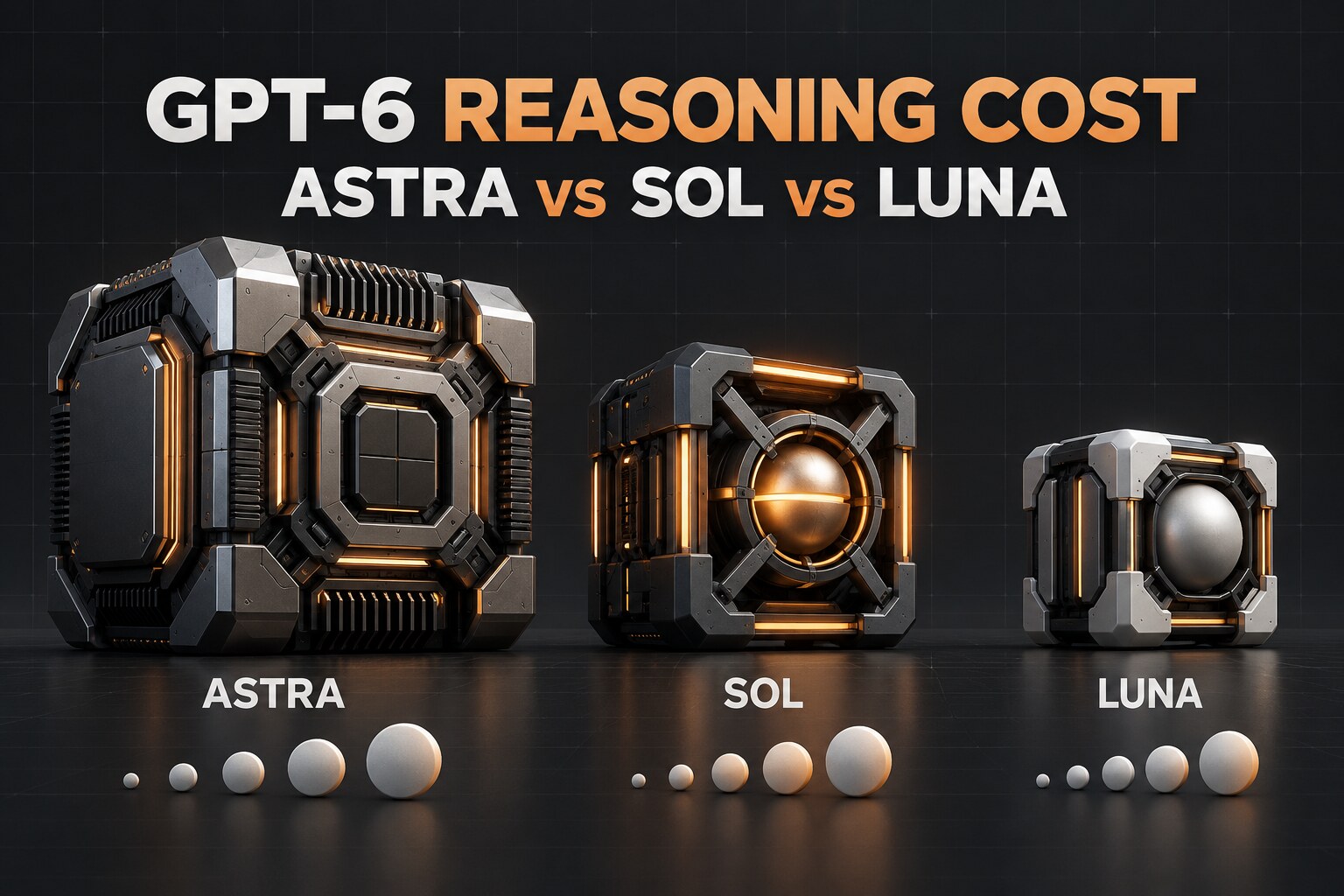
GPT-6 Astra vs GPT-6.1 Sol vs GPT-6 Luna: Which Reasoning Level Is Actually Worth the Cost?
Compare GPT-6 Astra, GPT-6.1 Sol and GPT-6 Luna by reasoning level, token price and cost per accepted result. See when medium, high or max reasoning is actually worth paying for.
-
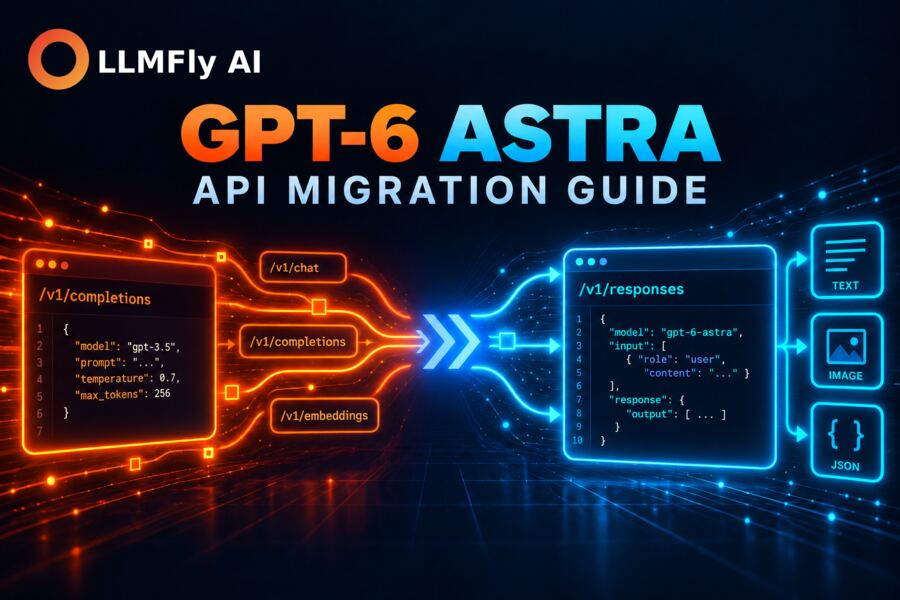
GPT-6 Astra API Migration Guide: Responses API, Tool Calling, and Breaking Changes
Migrate to GPT-6 Astra safely: Responses API tool calling, unsupported parameters, reasoning effort, retries, long-running agents, and discounted access through LLMFly AI.
-
GPT-6 Astra vs GPT-5.6 Sol for AI Agents: Is the 2.5× API Price Worth It?
Compare GPT-6 Astra vs GPT-5.6 Sol for AI agents: API pricing, computer use, task cost, migration changes, routing, and when Astra is worth it.
-
Claude Sonnet 5 vs GPT-5.6 Terra: Which API Is Better for Coding Agents?
Compare Claude Sonnet 5 vs GPT-5.6 Terra for coding agents: benchmarks, API pricing, tool use, iteration cost, migration risk, and routing decisions.
-
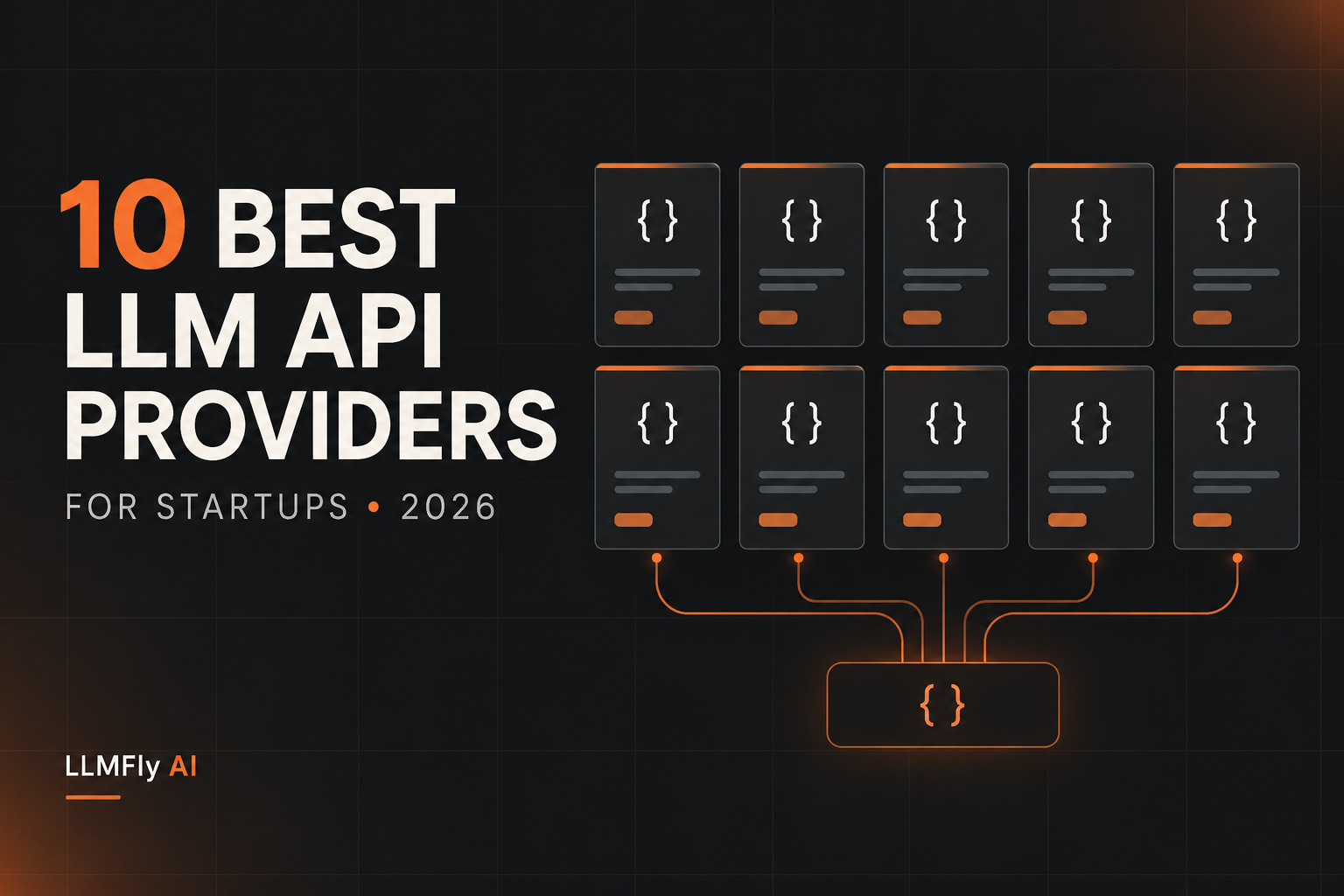
10 Best LLM API Providers for Startups in 2026
The 10 best LLM API providers for startups in 2026, compared by effective cost, model access, integration effort, reliability, deployment flexibility, and governance.
-

OpenAI Responses API Migration Guide: Replace Chat Completions and Assistants Safely
Last reviewed: August 30, 2026. API interfaces and product settings change; verify current official documentation before production deployment. A Responses API migration is an application-architecture change, not a search-and-replace operation. Request fields, output items, conversation state, tool calls, streaming events, storage, and compatibility boundaries all need explicit tests before old endpoints are removed. In this…
-
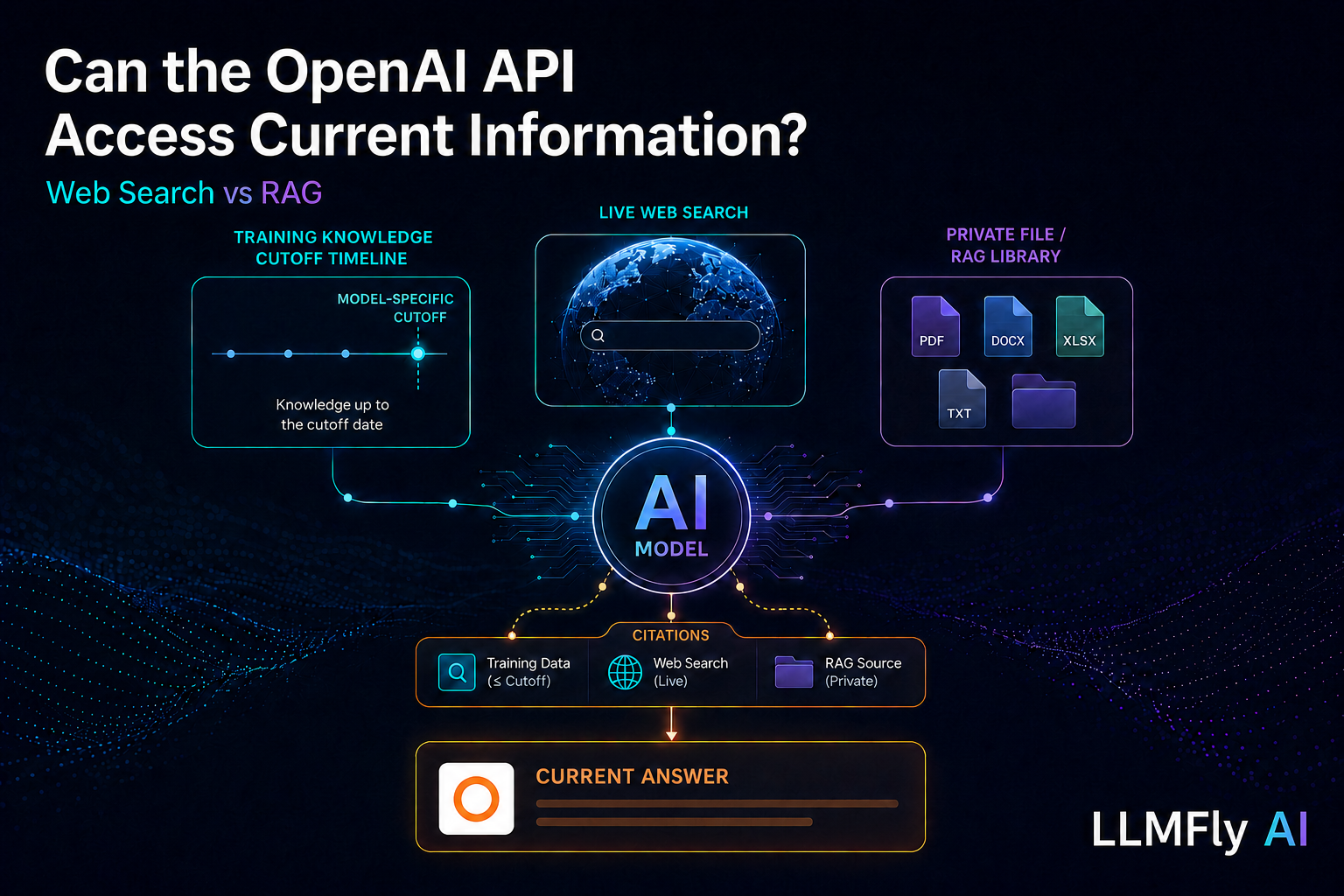
Can the OpenAI API Access Current Information? Web Search vs RAG
Learn how OpenAI API current information works with model knowledge cutoffs, Responses API web search, file search, RAG, citations, and freshness checks.
-
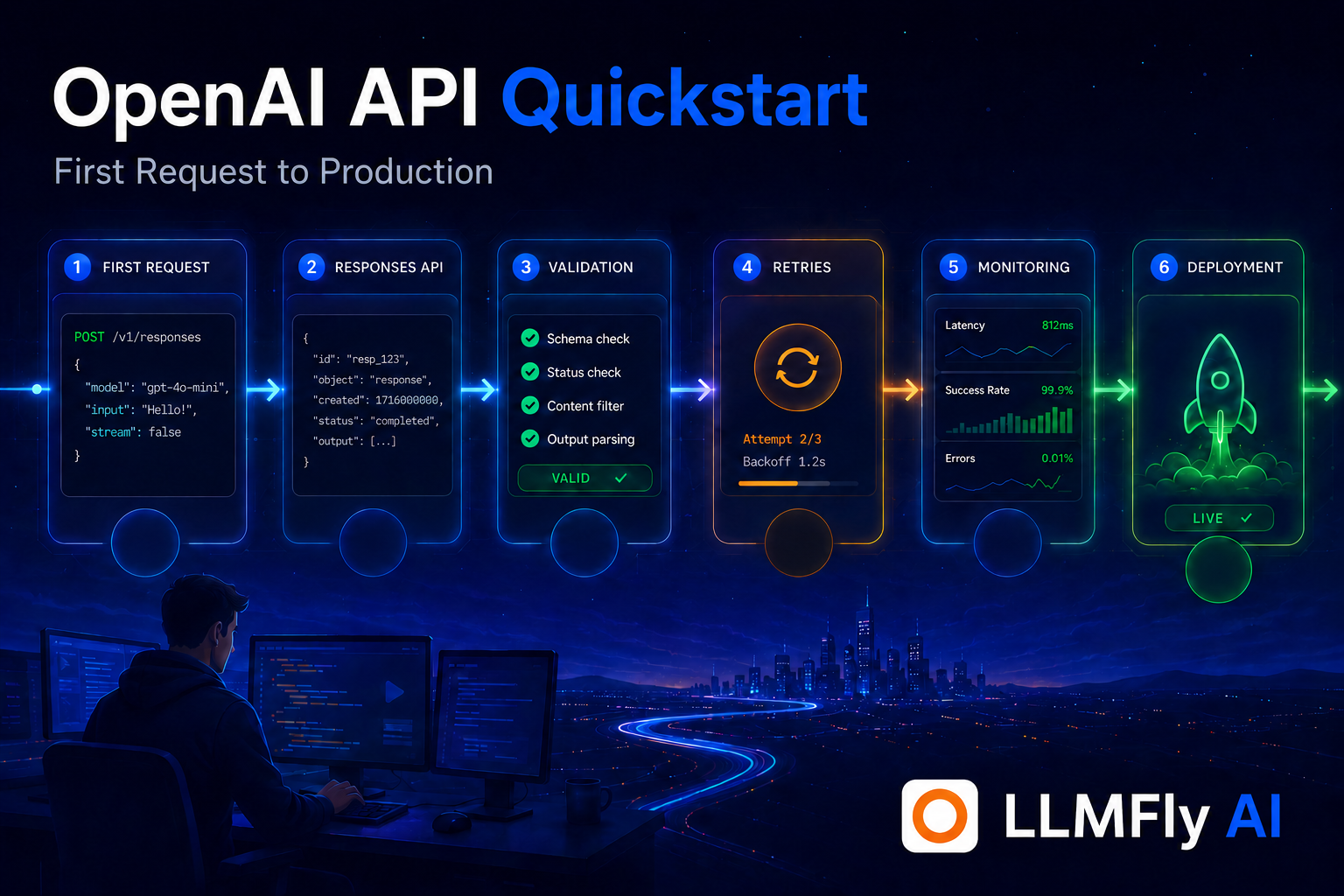
OpenAI API Quickstart for Backend Developers: From First Request to Production
Follow this OpenAI API quickstart from a first Responses API request to secure environment setup, validation, retries, monitoring, and production deployment.
-
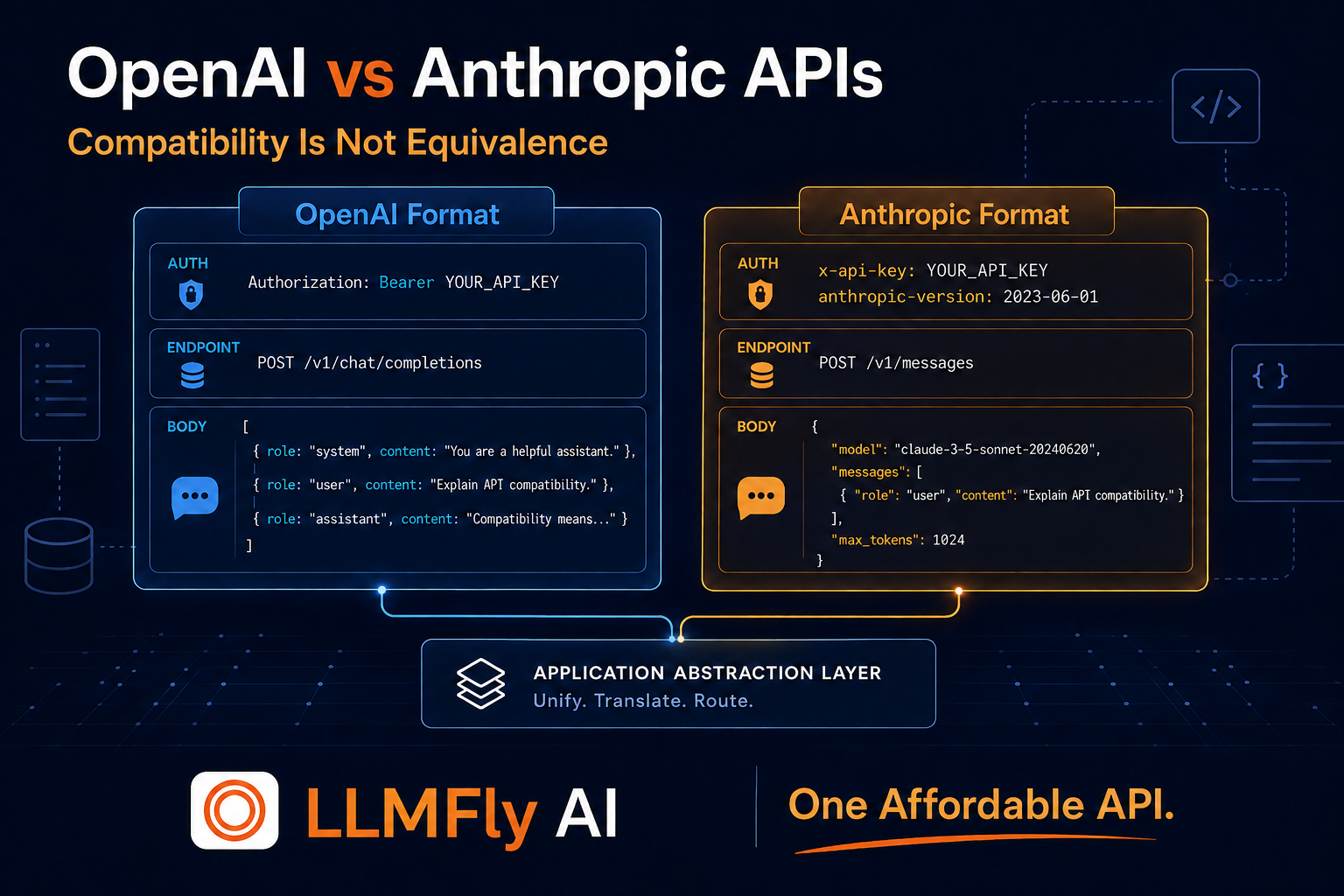
OpenAI-Compatible vs Anthropic-Compatible APIs: Developer Migration Guide
Compare OpenAI and Anthropic API formats for messages, tools, streams, reasoning, errors, usage, compatibility layers, and production migration.
-
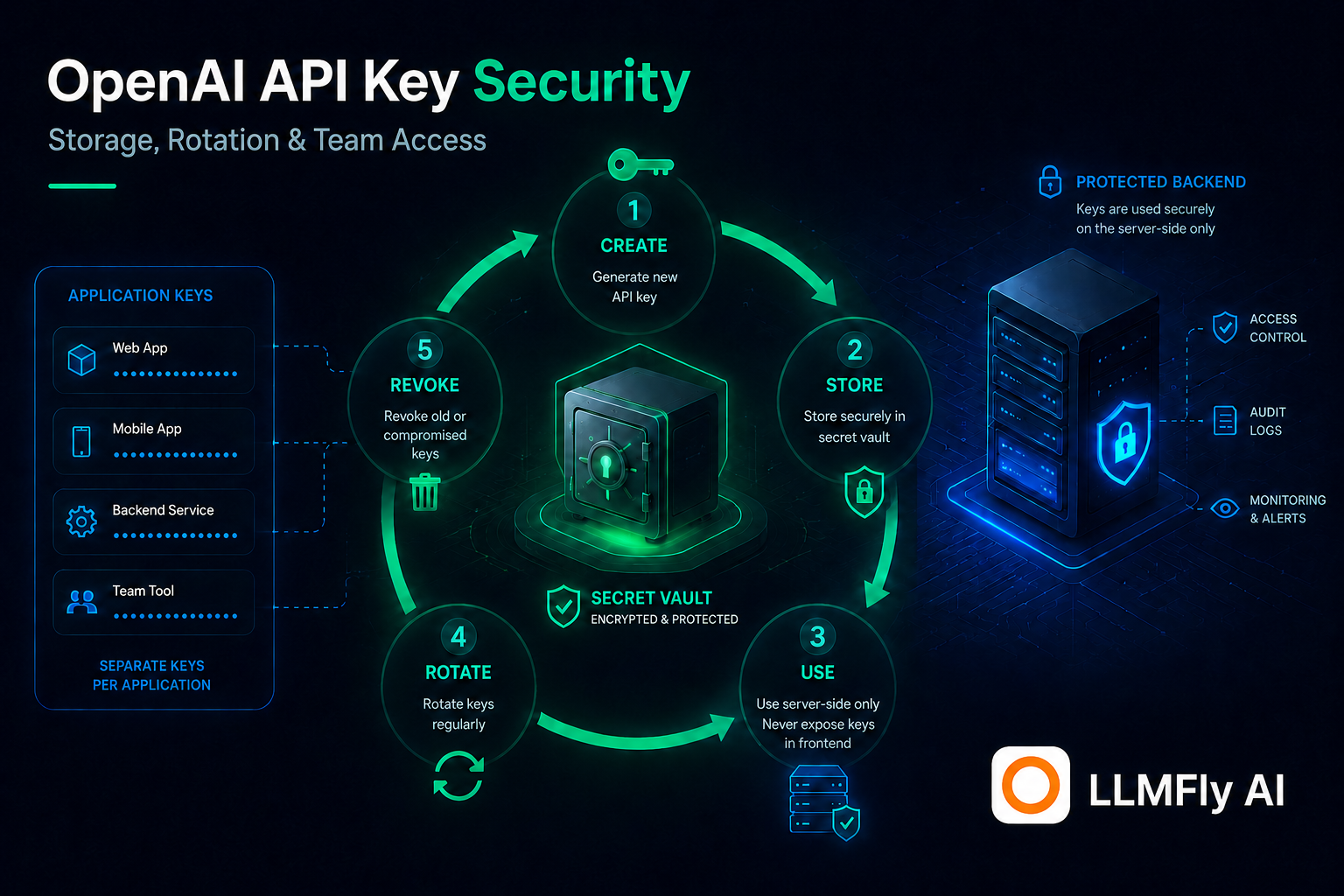
OpenAI API Key Security: Storage, Rotation, and Team Access
Improve OpenAI API key security with server-side storage, secret managers, separate keys, least privilege, rotation, leak detection, and revocation.